Help Kids Actually Use Mindfulness in Real Life
Get real buy-in, reduce resistance, and help mindfulness carry beyond the therapy room, classroom, group, or session.
A 20-hour live online intensive with Dr. Christopher Willard for therapists, teachers, counselors, coaches, and helping professionals who know mindfulness can help kids and teens, but want more confidence making it stick with real kids in real life.
Save $100 when you enroll by July 14 at midnight EST. 25 spots available.
Early Bird: $590 through July 14 at midnight EST • Regular Price: $690 • Payment Plans Available
Is this You?
You know mindfulness helps. But sometimes kids just won't buy in.
You introduce a breathing exercise, and a child rolls their eyes.
A teen tells you it is boring, dumb, or cringe.
A client tries it in session, but parents later say, "They won't use it at home."
A group starts fidgeting, joking, shutting down, or drifting away - and suddenly the practice feels forced.
And even though you know the research, you start wondering: Why isn't this sticking? Am I teaching it wrong? Is mindfulness just not right for these kids?
You want buy-in.
Not polite compliance. Not kids pretending. Real engagement from skeptical, anxious, distracted, or dysregulated kids and teens.
You want carryover.
You want kids to actually use the tools outside the session, classroom, or group - when life gets hard.
You want confidence.
You want to stop forcing scripts that fall flat and start adapting mindfulness to the child in front of you.
You're not alone
Mindfulness is not failing. But the way adults are taught to teach it often does not fit real kids.
Most mindfulness training prepares adults to practice mindfulness.
But practicing mindfulness and teaching it to young people are very different skills.
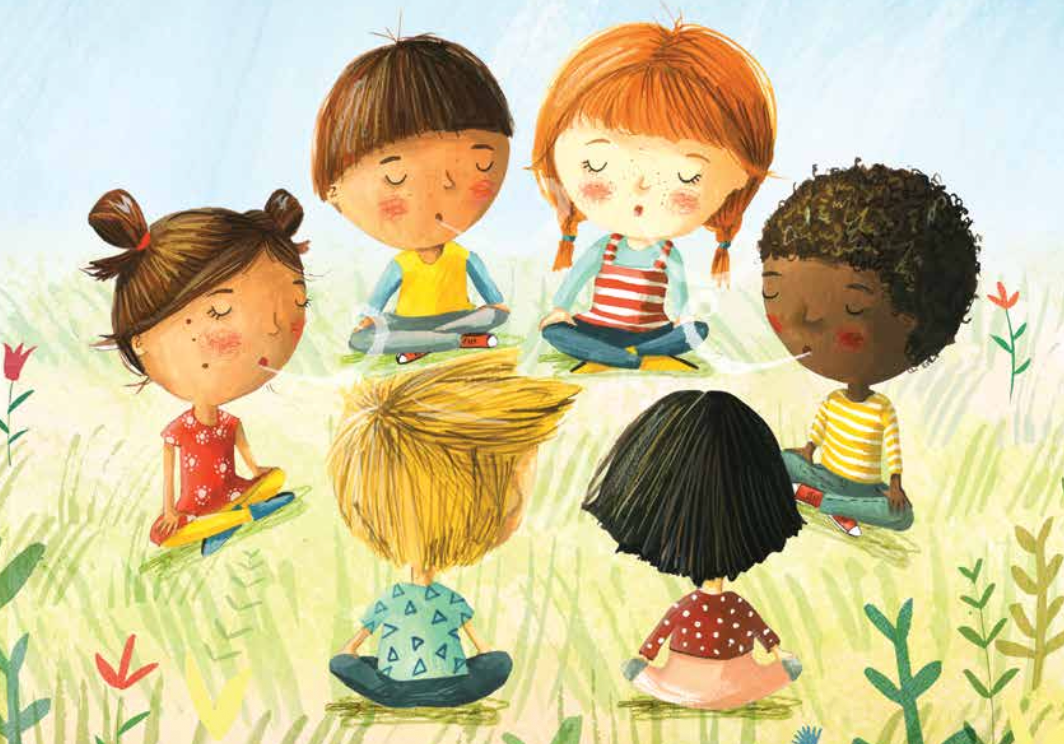
Kids and teens need developmentally attuned language, relevance, relationship, play, movement, choice, nervous-system safety, and a reason to care.
The missing piece is not another generic script.
The transformation
Imagine mindfulness feeling less forced and more usable.
A skeptical child who normally rolls their eyes actually engages.
A teen who says mindfulness is stupid discovers a version that works for them.
A parent stops saying, "They never use this at home," because the practice starts showing up in daily life.
You feel more flexible, creative, and grounded when something falls flat.
You stop trying to convince kids to do mindfulness and start creating the conditions where it makes sense to them.
By the end of the intensive, you will be able to:
- create real buy-in with kids and teens
- adapt mindfulness for different ages, nervous systems, and settings
- work with resistance instead of pushing through it
- make practices playful, practical, and relevant
- support carryover beyond the session, group, or classroom
- feel more confident teaching mindfulness to real kids in real life
Meet your teacher
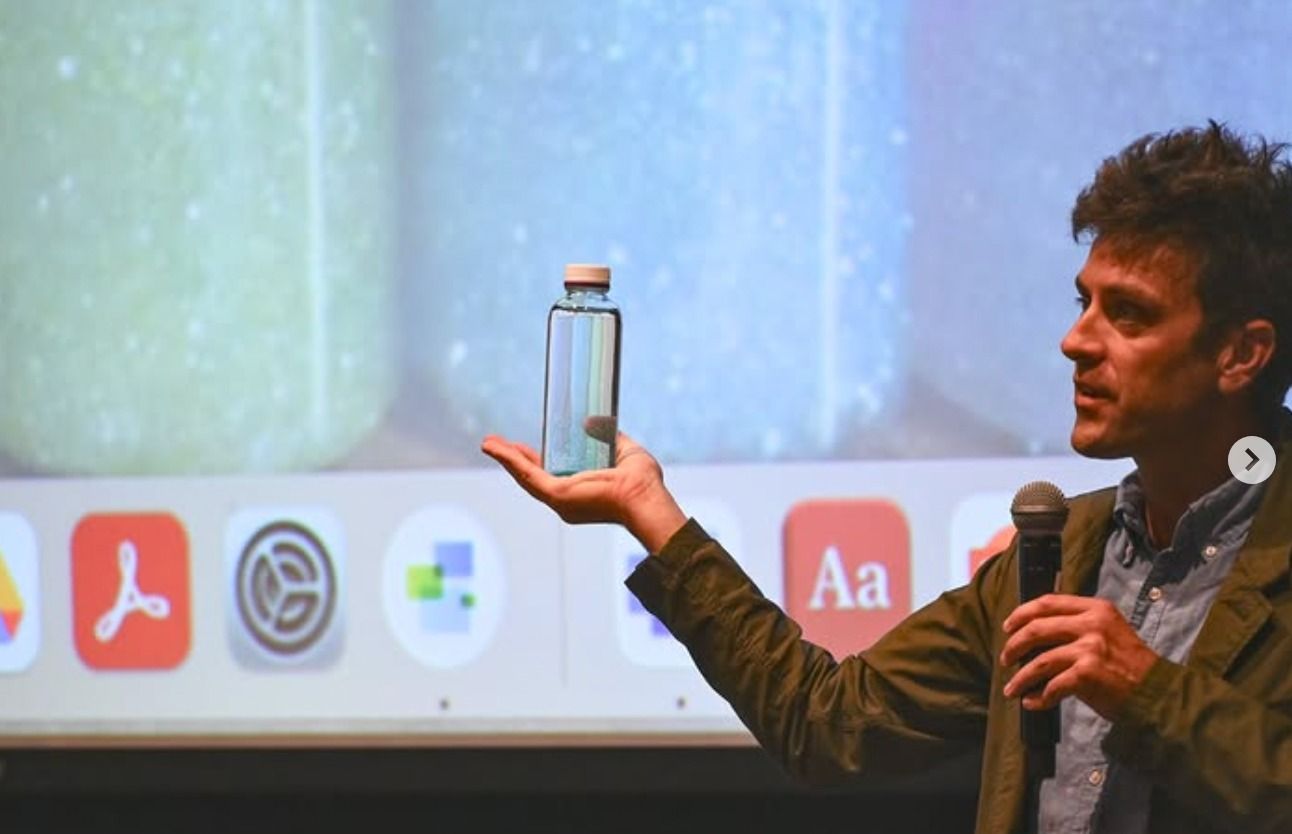
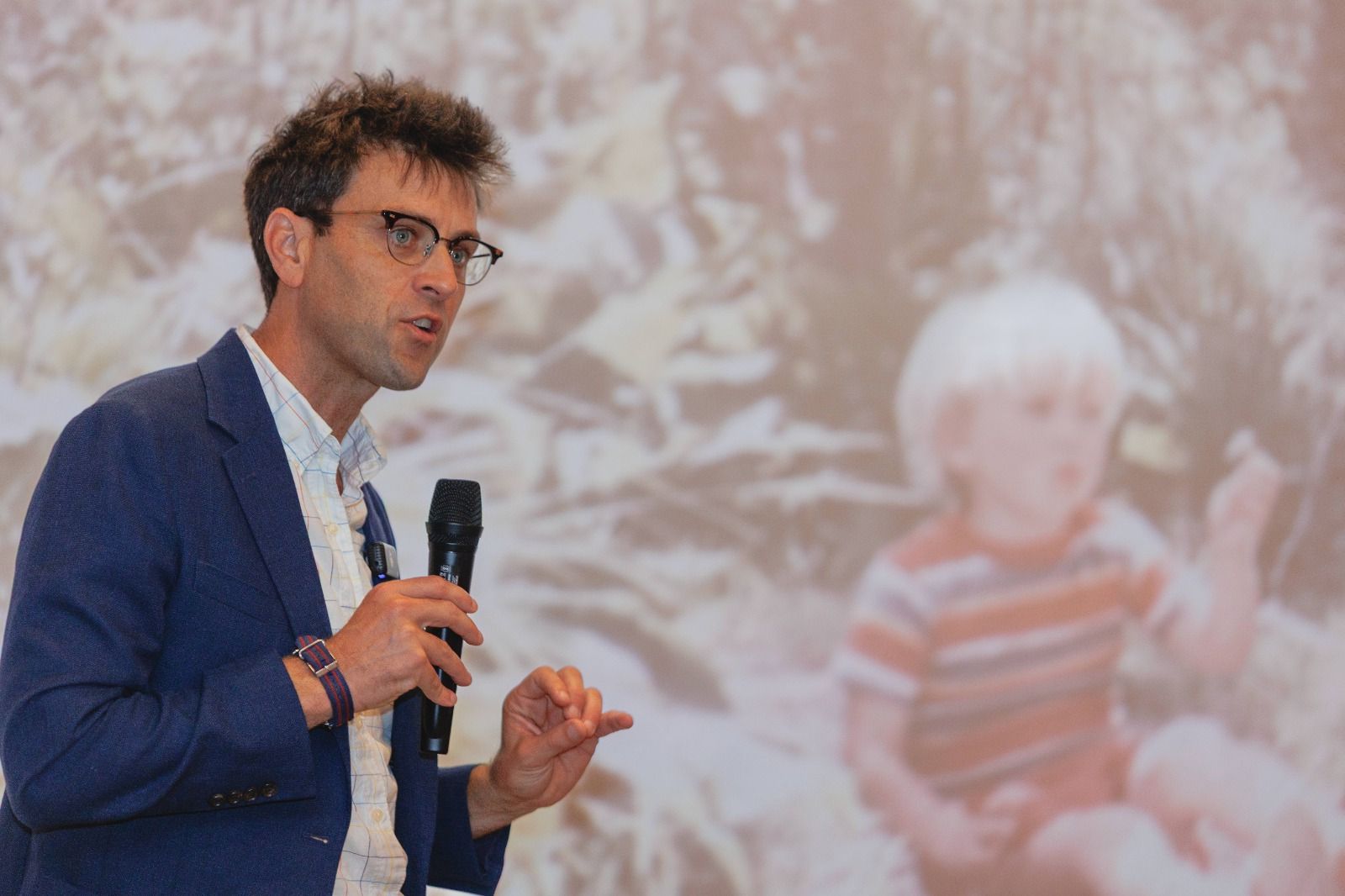
Hi, I'm Dr. Chris Willard.
My passion for understanding human behavior started when I was a child and grew through mindfulness practice, clinical work, research, writing, and teaching.
I have worked with individuals, families, schools, clinics, and organizations around the world to translate mindfulness, neuroscience, and emotional intelligence into practical tools people can actually use.
I teach at Harvard Medical School and the Center for Mindfulness and Compassion, but what I care about most is helping people make these practices real, accessible, and useful in everyday life.
Because mindfulness does not need to feel forced, awkward, or abstract for kids. It can become playful, practical, relational, and deeply human.
As seen in / praised by leaders in the field
Chris is trusted by experts in mindfulness, parenting, neuroscience, and mental health.
Â
- As seen in TEDx, The New York Times, UNICEF, Alphabet Google, CNN, The Washington Post, and HubSpot
- Testimonials from Daniel Siegel, Tara Brach, and Thich Nhat Hanh
- Testimonials from Jack Kornfield, Sharon Salzberg, and Yung Pueblo
Why this intensive is different
This is where mindfulness stops being abstract and starts becoming something kids can actually use.
This is not a passive video course. It is a live, interactive, small-group training where you practice, discuss, adapt, ask questions, and apply these tools to your actual setting.
Get real buy-in
Learn how to make mindfulness relevant for skeptical, resistant, distracted, anxious, or dysregulated kids and teens.
Build carryover
Learn how to help kids use mindfulness beyond the therapy room, classroom, camp, group, or session.
Teach with confidence
Find your authentic teaching voice and learn how to pivot when a practice falls flat.
Real-world application
Bring mindfulness to the settings where kids actually live and learn.
Therapy offices. Classrooms. School counseling groups. Camps. Hospitals. Community programs. Homes.
Different settings require different language, pacing, invitations, and adaptations.
Inside the intensive, you will explore breathwork, movement, visualization, mindful eating, mindful walking, play, games, creative practices, compassion, and group facilitation - all through the lens of real-world buy-in and carryover.
What's included
Everything you need to teach mindfulness with more skill, creativity, and confidence
20 Hours Live Online
Meet July 20-24, 10am-2pm EST, for immersive teaching, practice, discussion, and skill-building.
Small-Group Feedback
Bring real questions about resistance, carryover, group facilitation, and adapting practices for specific kids.
Buy-In + Engagement Tools
Learn how to present mindfulness through relevance, story, movement, play, challenge, and relationship.
Scripts + Workbook
Receive adaptable scripts, transcripts, reflection questions, and tools to help you teach in your own voice.
Practice Library
Access written and recorded practices for children and teens that can be adapted across settings.
Certificate + Resources
Complete the intensive with a certificate, recordings, bonus expert videos, and early registration book bonus for U.S. participants.
Course flow
Five days to bridge the gap between knowing mindfulness and confidently teaching it
Â
Monday
Meet, Greet & Get Grounded
Co-create the learning container, explore what mindfulness really is, and translate neuroscience into practical language.
 Tuesday
Mindfulness for Every Kind of Mind
Learn developmentally smart adaptations for different ages, nervous systems, mental health needs, and attention spans.
Wednesday
Movement, Buy-In & Trauma-Sensitive Teaching
Explore mindful walking, games, play, resistance, choice, safety, and how to win over skeptics without forcing compliance.
Thursday
Create Practices in Your Own Voice
Write, adapt, and practice leading mindfulness in a way that sounds like you, with compassionate feedback and support.
Friday
Teach With Integrity & Build Something of Your Own
Bring it all together through capstone sharing, resources, final Q&A, and a roadmap for bringing mindfulness into your community or professional practice.
The cost of waiting
What happens if mindfulness keeps falling flat?
Another year of kids rolling their eyes at tools that could help them.
Another group that does not fill because the framing does not connect.
Another parent reporting, "They won't use it at home."
Another moment where you know mindfulness could help, but you are not sure how to make it usable for the child in front of you.
The intensive is designed to close that gap before the next school year, the next group, the next client, or the next moment you wish you had a better way in.
Enrollment now open
Join the Growing Up Mindful Summer Intensive
$690Â $590
Register by July 14 at midnight EST and save $100.
After July 14, enrollment increases to $690. Payment plans are available. Space is limited to 25 participants.
Yes - I want to JoinQuestions
Still wondering if this is right for you?
"I already know mindfulness. Why this?"
This intensive is not about deepening your personal practice alone. It is about pedagogy: how to teach mindfulness to real kids and help it become usable in daily life.
"Will this work with resistant kids?"
Resistance is one of the central things we address. You will learn how to work with skepticism, eye-rolls, shutdown, distraction, and low buy-in without forcing compliance.
"Is it worth the investment?"
If these skills help even a handful of kids actually use mindfulness outside your sessions or groups, the return is meaningful. You are investing in professional confidence and real-world effectiveness.
Final invitation
Mindfulness does not have to feel forced for kids to benefit from it.
It can be playful. Practical. Relational. Developmentally smart. Trauma-sensitive. Real.
And when kids actually buy in, mindfulness can become something they use beyond the room where you taught it.
That is the work this intensive is designed to help you do.
Join the Intensive