
Growing Up Mindful:
Sharing Mindfulness with Kids and Teens.
Online Live Certification with Dr. Christopher Willard.
00
DAYS
00
HOURS
00
MINS
00
SECS
What’s the Growing Up Mindful Summer Intensive?
The Growing Up Mindful summer intensive is a 20 hour live online certification in teaching mindfulness to kids and teens, from Harvard Professor, psychologist and author Dr. Christopher Willard. You’ll learn dozens of ways to share contemplative practices with young people from the world’s leading expert, whether you’re a parent, professional, educator, therapist and more.
We’ll be meeting as a group live online 10am-2PM EST July 20-24th, 2026, with recordings, resources, and more.
CONTACT ME TO LEARN MORE
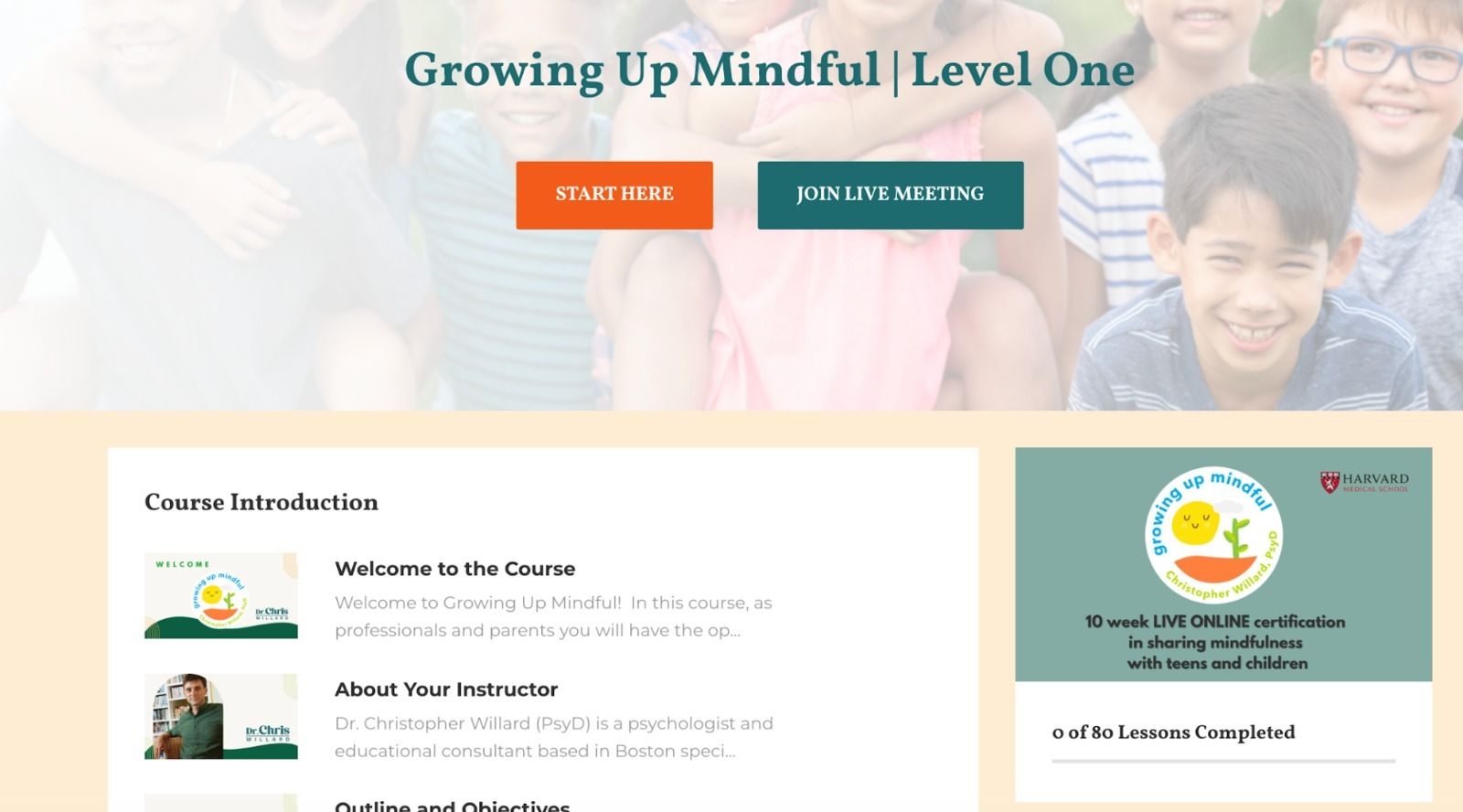
What’s Included in The Summer Intensive Certification
Engaging and Practical Live Lessons and Themes
Topics include buy-in, overcoming resistance, trauma and mental health adaptations, visualizations/guided imagery, creative breathwork, self-compassion, real world mindful eating, playful mindful walking and movement, engaging games and play for all ages, creating and adapting our own practices, working in schools and institutions, neuroscience, becoming a mindfulness teacher and much much more.
Live Group Lessons and Discussions
Get answers to burning questions about teaching, adaptations, mental health and trauma, while sharing successes and challenges with the support of your fellow students and teacher, Dr. Chris Willard.
Personalized Scripts, Transcripts, Workbook, and Reflection Questions
Grow on your journey into becoming a mindfulness teacher with reflections to consider on your own or with the group that bring practice and insight to life.
Partner and Small Group Discussion
Join a global community and cultivate friendships with aspiring mindfulness educators to collaborate and inspire each other with accountability partners or what we call “inspiration buddies.”
Access a Library of Practices and Resources
Access written and recorded practices for yourself and to adapt for your students, as well as videos of any lectures you may have missed.
Bonus Videos by Mindfulness Experts

And a FREE SIGNED BOOK for registering early
(US Only)
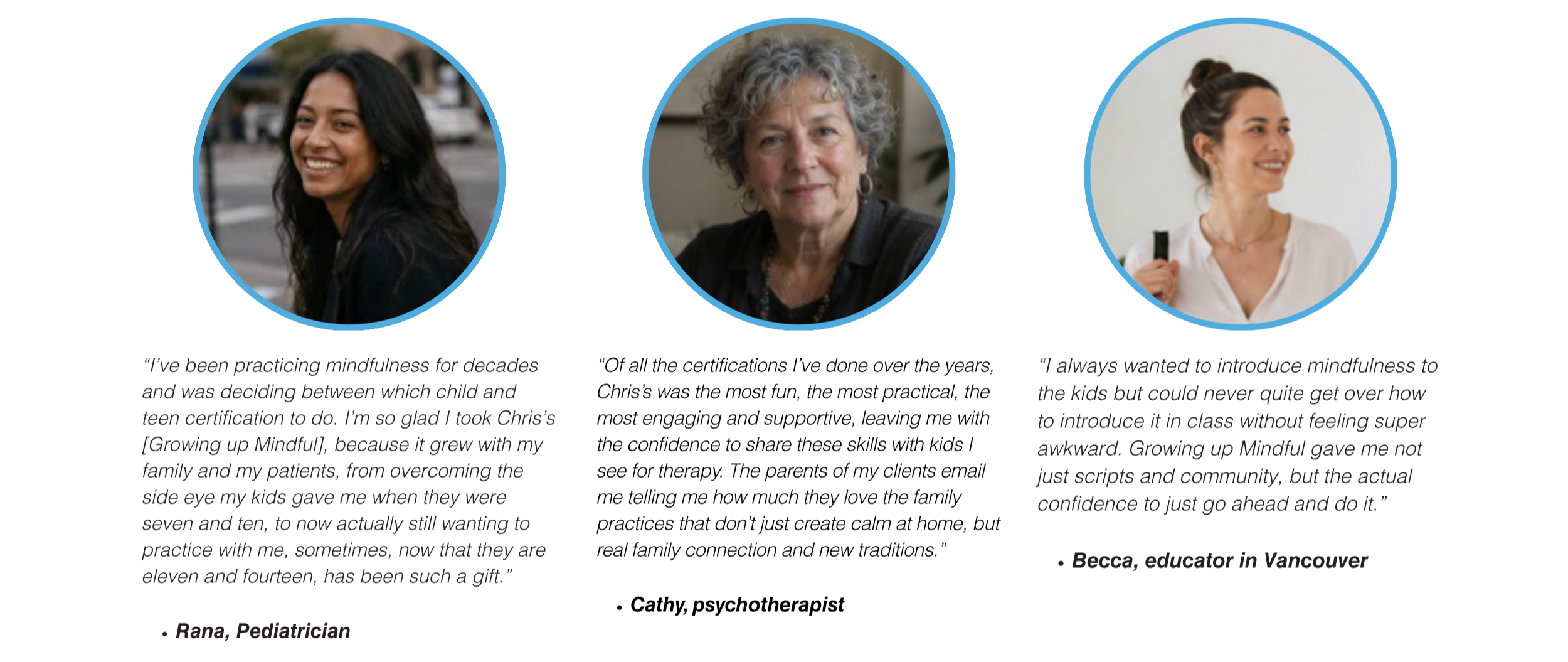

Course Structure and Themes
MONDAY
1. Meet, Greet & Get Grounded
Your first taste of child and teen mindfulness.
Co-creating the container: community guidelines and intentions that actually stick.
2. What Mindfulness Really Is (and Why the Brain Loves It)
The neuroscience of healthy brain development, decoded.
Playful, hands-on exercises that bring the mind-body connection to life.
Use the breath as a "remote control" for minds, bodies, and big emotions.
Mind-body meditations that rewire young brains for resilience.
3. Your Practice Is the Curriculum
Why mindfulness makes you a sharper therapist, teacher, parent, and human.
Presence, countertransference, and decision-making tools that sharpen intuition.
Self-compassion, appreciation, and relaxation practices that keep burnout at bay.
TUESDAY
4. Mindfulness for Every Kind of Mind
Developmentally smart adaptations for every age and stage.
The simple science of how mindfulness pushes back on depression, PTSD, anxiety, and aggression.
5. The Science That Backs It All Up
Neuroscience made simple — and usable — to power real brain and behavior change.
Mindfulness, mental health, and learning: where the research stands right now.
6. Mindful Eating in the Real World
What the research actually says (no kale required).
Kid-tested formal and informal mindful eating practices.
WEDNESDAY
7. Mindful Walking & Movement, Off the Cushion
Research-backed mindful movements that fit real bodies and real schedules.
Developmentally tuned adaptations for walking and movement.
8. Winning Kids Over (Even the Skeptics)
Practical, proven moves that build genuine buy-in.
How to make mindfulness fun and accessible — even for stressed, anxious, depressed, or distracted kids.
Disarming doubt: yours, your colleagues', and theirs.
9. Mental Health, Trauma & Equity: A Grounded Lens
Crisp, accessible analogies that explain what mindfulness is — and isn't.
Helping kids and families slow down, sit still, and single-task in a world that won't stop.
THURSDAY
10. Creating Practices That Are Truly Your Voice
Confidently adapt mindfulness for all kinds of minds, bodies, and backgrounds.
Tips, tricks, and confidence-builders for teaching from the inside out.
11. Teachbacks, Sharing and Supporting
Writing, adapting and sharing practices.
Teachbacks with compassionate feedback and support.
12. Cultivating Mindful Communities: Schools, Clinics, Families & Beyond
Systemic approaches to culture change in schools, clinics, and homes.
Time-tested ideas for building mindful, compassionate workplaces, classrooms, and families.
FRIDAY
13. Teach with Integrity — and Build Something of Your Own
Research-backed compassion practices.
Teaching with integrity, every time you sit down with a kid.
A real roadmap for launching your own mindfulness consulting practice.
14. Final Show and Tell, Talent Show, and Resource Sharing
Present your capstone project, curriculum, or proposal.
15. Last Q&A, Closing Compassion Circle, and Feedback
Research-backed compassion practices.
Teaching with integrity, every time you sit down with a kid.
A real roadmap for launching your own mindfulness consulting practice.
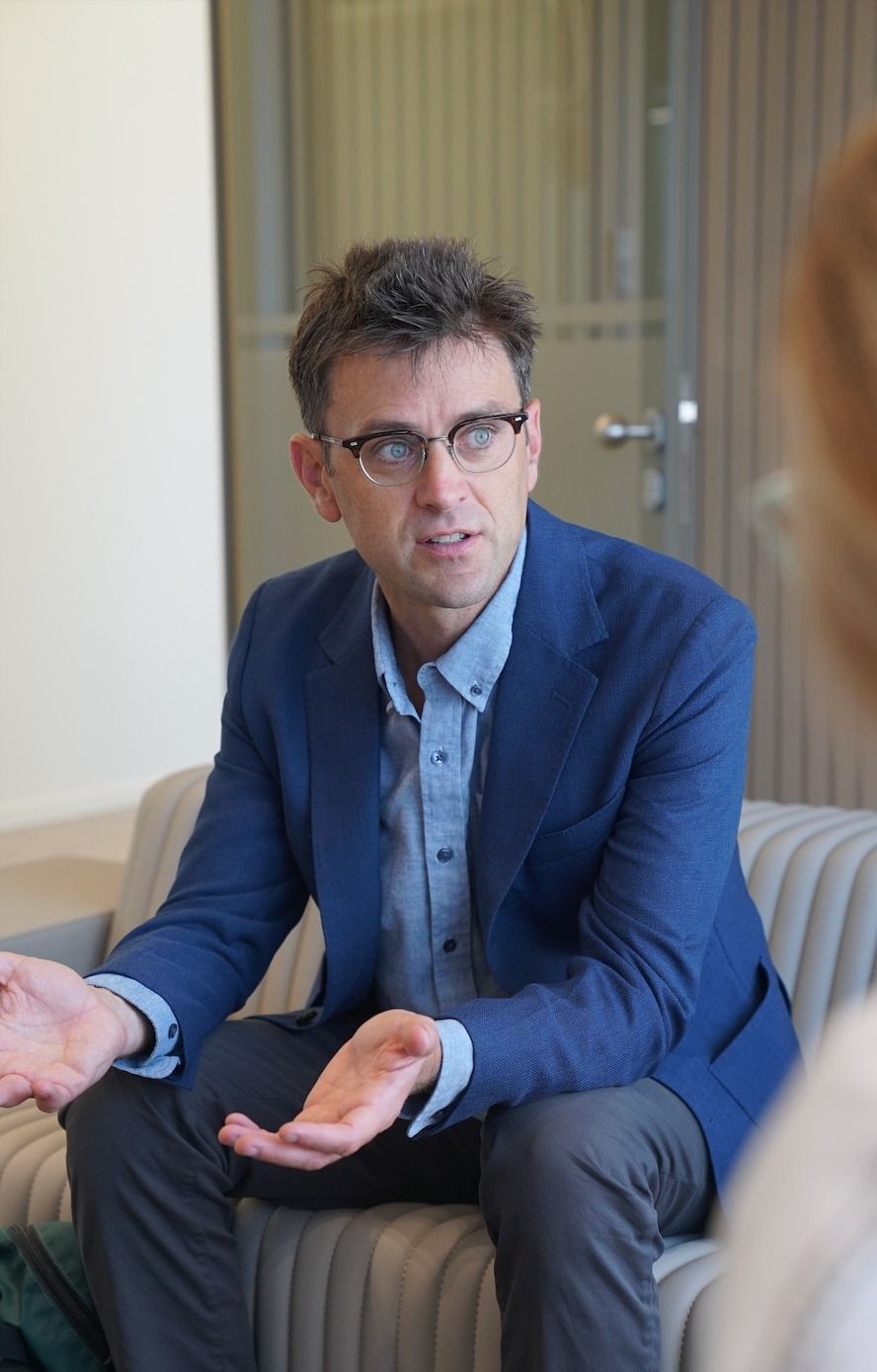
ABOUT DR. CHRISTOPHER WILLARD
Dr. Christopher Willard, is a clinical psychologist, author and consultant based in Massachusetts. He has been invited to more than forty three to teach mindfulness, and has presented at two TEDx events. He is the author of twenty two books, including Alphabreaths,Growing Up Mindful, and Feelings are Like Farts. His thoughts on mental health have been featured in The New York Times, The Washington Post, mindful.org, cnn.com, and elsewhere. He teaches at Harvard Medical School.
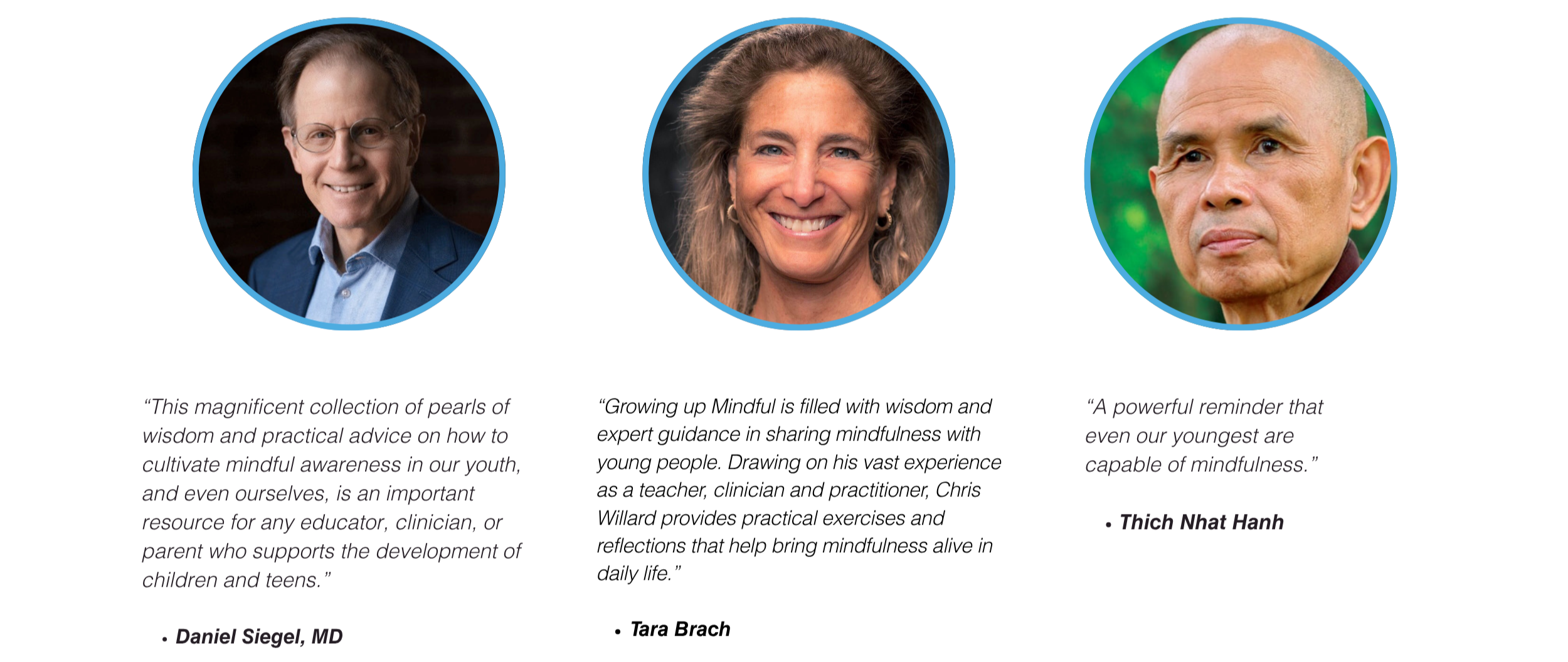
In the GUM intensive you will:
- Learn to share mindfulness with all ages and all kinds of minds with a newfound confidence
- Cut through resistance and make mindfulness fun for your kids, students, and clients!
- Change the world and future, starting with the children and teens you care for
- Build a career as a certified mindfulness educator, learning from the world’s leading expert
- Make mindfulness stick with the confidence to adapt practices for the people in your life to help them find happiness, health and more to grow up mindful!
About the Training
Join author, psychologist and consultant Dr. Christopher Willard in this live and recorded hybrid training for therapists interested in bringing mindfulness to their younger clients. Dr. Willard will be sharing proven practices that can be used by professionals looking for creative ways to integrate mindfulness into clinical work. We will explore mindfulness through awareness, movement, games, play, and creative activities for all ages. Learning differences, cultural differences, developmental differences, and more all affect how children learn best, and this workshop explores ways to adapt mindfulness, rather than approach with a one-size fits all approach. We will discuss tailoring techniques to a range of issues, including depression, anxiety, executive function challenges, trauma and stress. Different practices will engage different learning styles through arts, sports, games, music, technology and more, for attention spans ranging from 30 seconds to 30 minutes.
Methods
Pre-recorded lectures (12 hours) Discussion, practice and Q&A (10 hours).
Objectives: At the end of the course, students will be able to
- Establish mindfulness techniques that can be used in therapy offices, classrooms, at home and more.
- Integrate mindfulness into play therapy, dynamic therapy, cognitive behavioral therapy, movement and more.
- Adapt mindfulness practices for a range of populations.
- Utilize techniques to enhance your own attention and attunement, and stave off burnout.
- Practice formal techniques that can be used by patients in and outside the session.
- Explore innovative ways to integrate mindfulness informally into academics, sports, games and the arts.
- Ascertain creative ways to generate “buy in” and engagement from resistant kids.
- Investigate the basic physiology and neuroscience underlying mindfulness based treatment.
- Choose 2 ways in which mindfulness reduces impulsivity in clients.
- Establish specific practices that can be used for a range of diagnosis.
- Discriminate effective ways to bring mindfulness to your professional community.
- Develop practical strategies for shifting from fight/flight responses into attend and befriend responses to stress.
- Describe the relationship between mirror neurons, mindfulness and compassion.
- Illustrate how meditation helps concentration in kids with ADHD.
- Articulate the clinical research on mindfulness and mental health.
- Explore how being more present can help our clients develop better relationships.
- Assess 3 meditation techniques to improve attention and self-regulation.
- Describe mindfulness exercises that can build new neural pathways for concentration.